Buildings Pushing
Boundaries
Iconic structures redefining the limits of engineering, materials, and architectural ambition.

A 400m cubic superstructure enclosing an immersive digital environment. Its exoskeletal diagrid transfers loads to eight mega-columns — each 12m in diameter.

Zaha Hadid Architects' flowing twin-shell structure spans 180m without intermediate columns, using a stressed-skin monocoque hull from aerospace engineering.

BIG's second waste-to-energy plant achieves a 450m ski slope atop a working industrial facility with a hybrid steel-timber diagrid.

Foster + Partners' five steel feather-towers rise 125m with tuned mass dampers concealed within the tip geometry of each free-standing cantilever.

At over 1,000m tall, the Kingdom Tower will be the first building to exceed one kilometre. Its Y-shaped plan optimises aerodynamic performance and structural efficiency.

A 60-storey residential tower twisting 180° from base to top, requiring floor plates that rotate 3° per storey with a continuous perimeter diagrid.
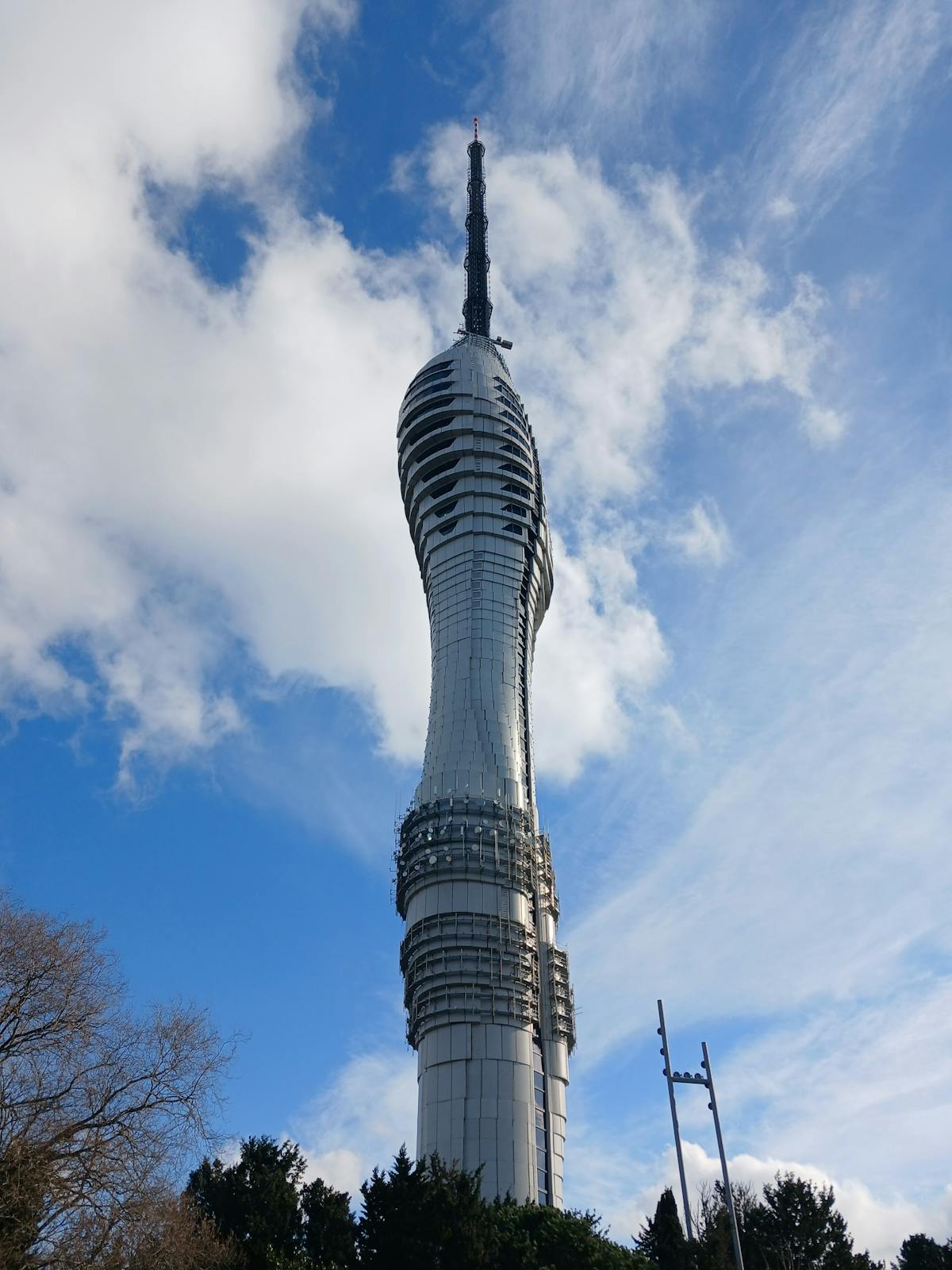
At 369m, Türkiye's tallest structure uses a prestressed concrete shaft with tuned sloshing dampers and a composite steel observation deck cantilevering 12m.

The world's largest indoor waterfall falls 40m through a 135m-diameter glass-and-steel dome, with the roof structure acting as a single integrated drainage funnel.

A 305m observation tower with a glass pod cantilevering 20m from a slender concrete stem, designed to sway 1.5m in high winds while maintaining occupant comfort.

Calatrava's 928m cable-stayed needle uses 12 prestressed concrete petals radiating from a central shaft, with a tensioned cable net providing lateral stability.

JPMorgan's all-electric HQ is supported on just 12 mega-columns straddling active Metro-North rail lines, with transfer trusses spanning 30m to redistribute floor loads.

Africa's tallest building at 393m, built on reclaimed desert using raft foundations bearing on compacted sand with settlement-compensating jacks at every column.

Three theatre volumes plug into a central cube, with two cantilevering 30m over the street. The largest cantilever weighs 14,000 tonnes and uses a hidden internal truss.

Twin residential towers hosting 900 trees and 20,000 plants on cantilevered concrete balconies engineered to resist wind loads on mature tree canopies.

The 234m interconnected loop defies gravity with a 75m cantilever where two leaning towers meet, creating a structural puzzle that took five years to solve.

At 679m, the second tallest building in the world uses a triangular core with outrigger trusses and a triple-deck sky lobby that doubles as a structural belt truss.

Ateliers Jean Nouvel's desert rose-inspired building uses 539 intersecting disc-shaped elements, each a prestressed concrete shell up to 87m in diameter.

A 5.4-acre rooftop park sits 21m above street level on a post-tensioned concrete bus deck, bridging over 11 active bus bays using 50m-span box girders.

At 85.4m, the world's tallest timber building until 2026, using glulam frames with concrete-topped CLT floor slabs for mass and acoustic performance.
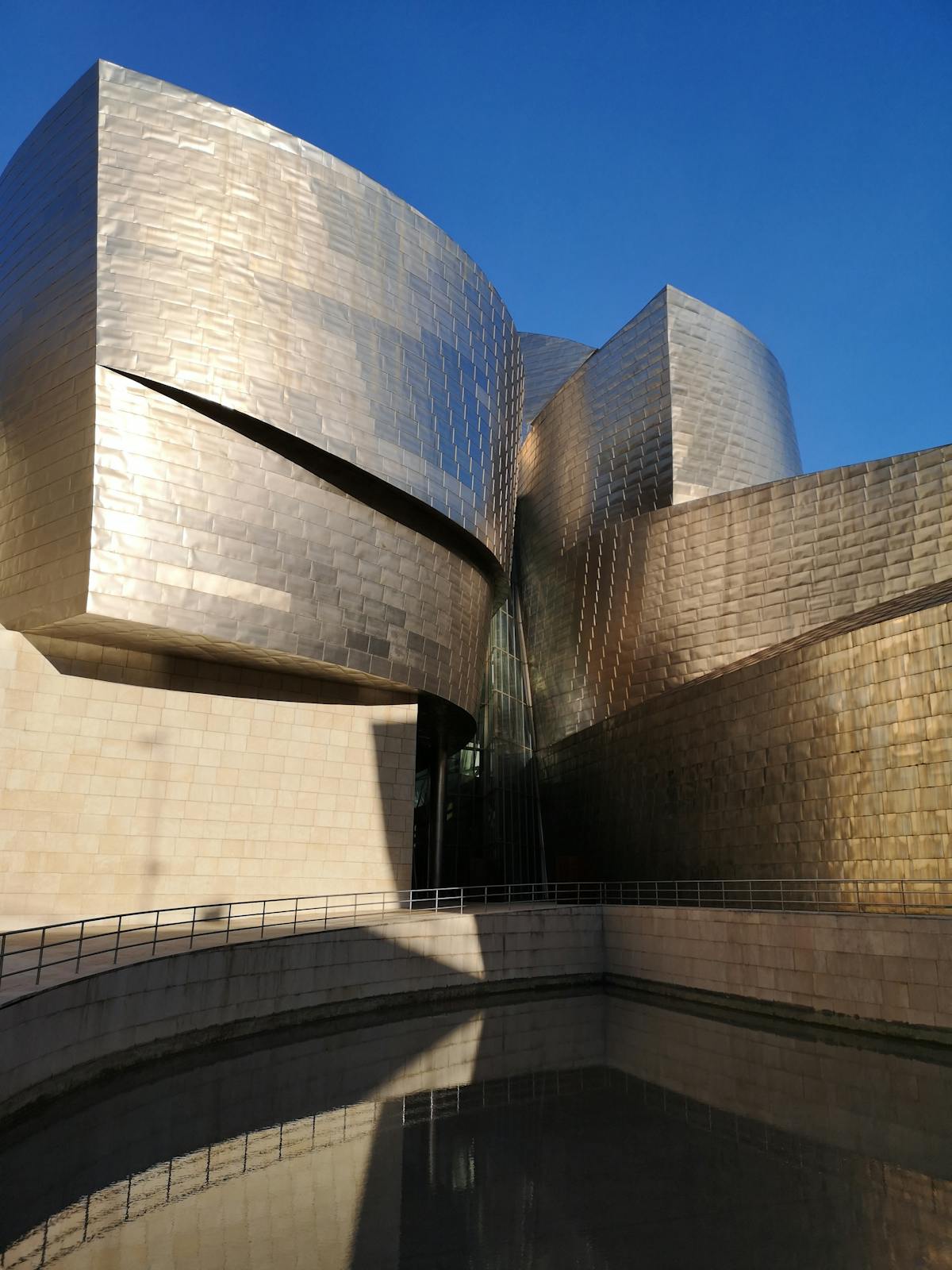
Frank Gehry's titanium-clad masterpiece was structurally impossible without CATIA — aerospace software repurposed to design its 33,000 unique cladding panels.

Two brutalist-inspired residential towers using an innovative flat-slab structure with no beams — achieving 3.1m floor-to-ceiling heights within a conventional storey depth.